Timeline Quarantine Contagious Period What should you do if you or someone you have been in close contact with tests positive for coronavirus. The White House announced that vaccines will be required for international travelers coming into the United States with an effective date of November 8 2021.
Rr6hvh4fvzhnm
Fully vaccinated people should monitor for symptoms of COVID-19 for 14 days following an exposure.

. If you have no. The Centers for Disease Control Prevention on Thursday announced changes to isolation and quarantine guidelines for healthcare workers in an attempt to ultimately prepare hospitals for the. CDC requires all air passengers 2 years of age or older coming to the United States including US.
CDC Guidelines for COVID Exposure. Its still safest to quarantine a full 14 days after exposure and that is what the CDC recommends. Previously 14 days the new guidelines specify a 10-day.
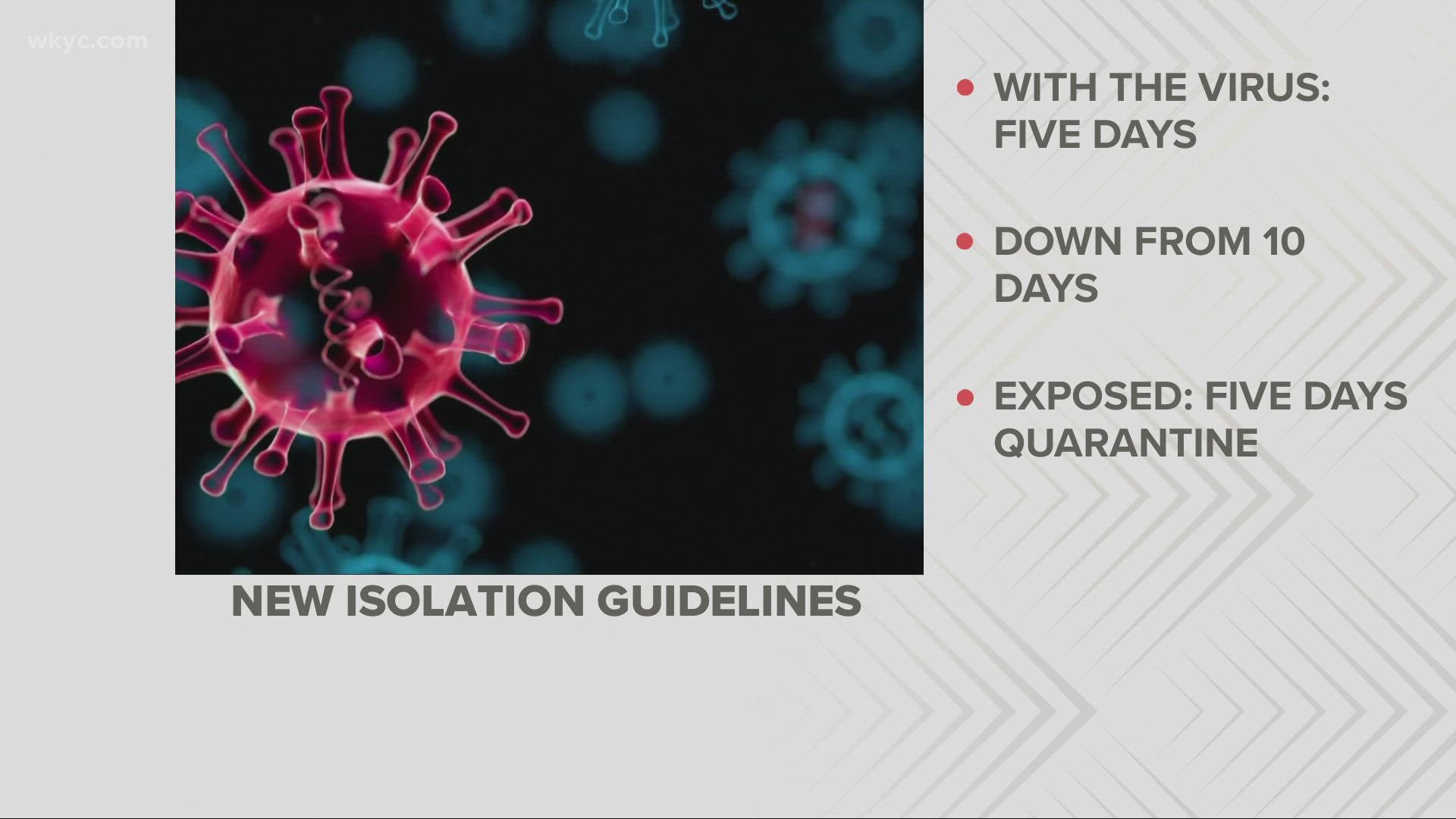
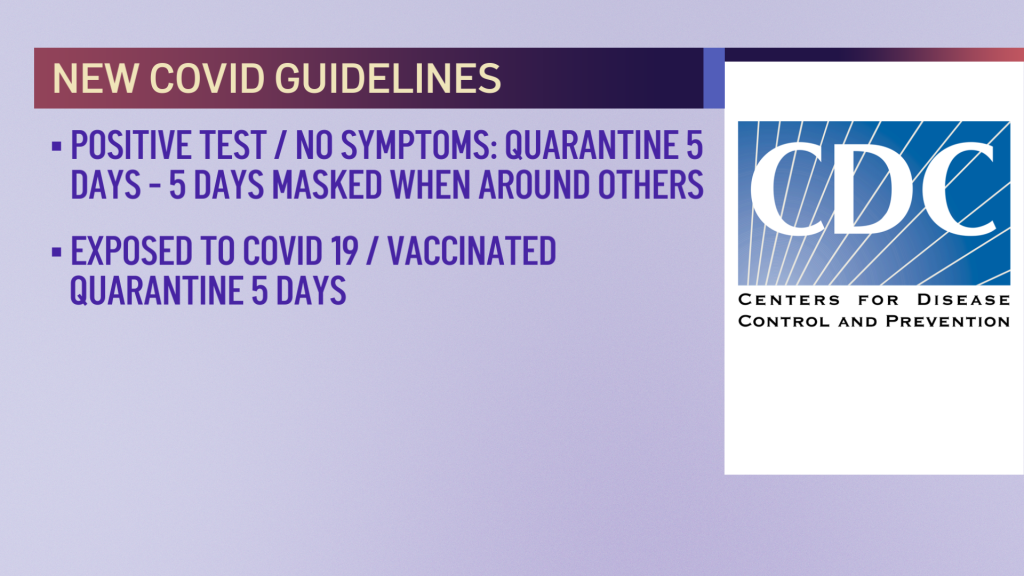
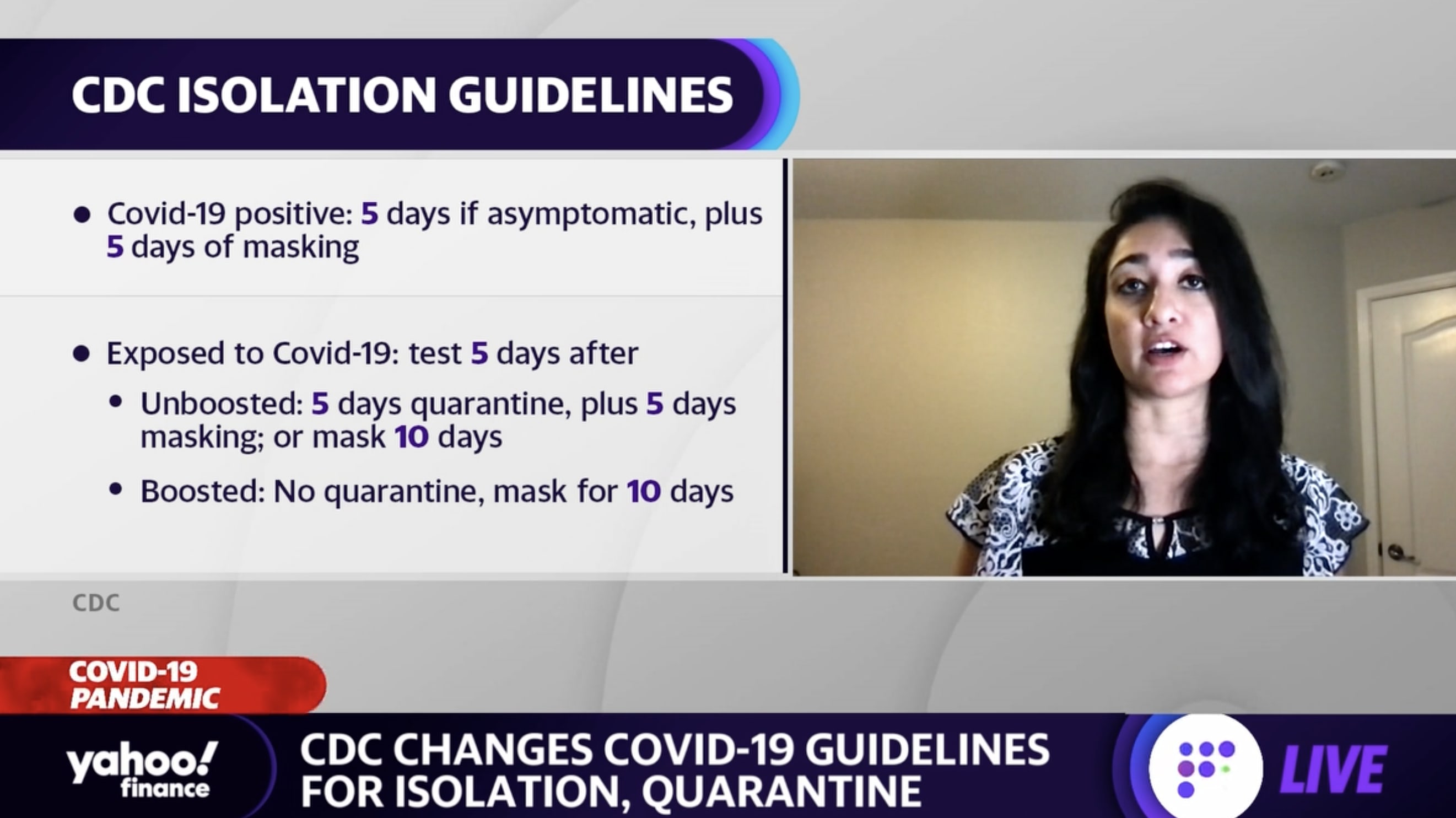
The CDC also updated its recommended quarantine period for people who have been exposed to Covid-19. CDC Relaxes Quarantine Policy For COVID-Infected Health Care Workers Asymptomatic health care staff may return to work after seven days of isolation and a negative test the new guidelines say. Those who are fully vaccinated do not need to.
How the Shortened Time Period Works Please check in with your local health department for specific information in your community 7 Day Quarantine Includes Testing and No Symptoms After exposure you monitor yourself for symptoms daily or participate in monitoring by Public Health for 7 full days. Delta asks CDC to cut quarantine guidelines for breakthrough Covid citing workforce impact. Delta wants to cut that.
The CDC currently recommends isolation for 10 days after a positive Covid test. The CDC says unless fully vaccinated someone must quarantine if they have been in close contact with someone who has COVID-19. QUARANTINE GUIDELINES COMPARING THE NEW 7 10 DAY QUARANTINE GUIDELINES 7 10 QUARANTINE THROUGH DAY 7 since date of last exposure Negative test result specimen collected on Day 5 or later and then release from quarantine after Day 7 Person must remain asymptomatic prior to release and continue to wear a mask around others and monitor through.
Everyone who tests positive for COVID-19 should monitor their. More information is available here. Omicron now accounts for 73 of.
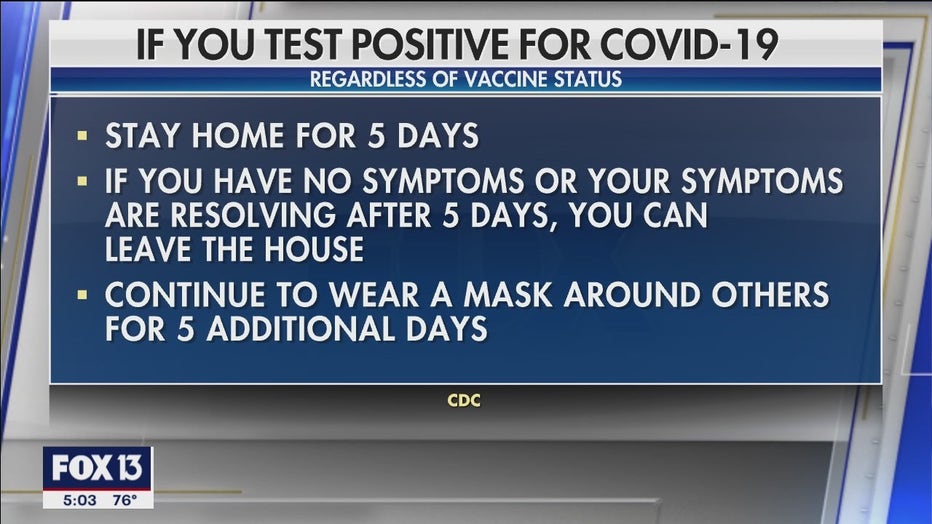
The new guidance was issued amid warnings from the business community that the spike in cases could soon cause widespread staffing shortages because of workers being forced to stay home. The CDC similarly shortened the amount of time people who have come into close contact with an infected person need to quarantine. The Centers for Disease Control and Prevention is releasing updated guidance for isolation and quarantine for health care workers decreasing their isolation time after infection with COVID-19.
Citizens and those who are fully vaccinated to present a negative COVID-19 test result from a nucleic acid amplification test NAAT or antigen test viral test conducted no more than 3 days before their flights departure. People who are in isolation should stay home and stay in a specific sick room or area and use a separate bathroom if available. The new guidance cuts the quarantine time from a previously recommended 10 days which the CDC said was in preparation for an anticipated increase in Omicron cases.
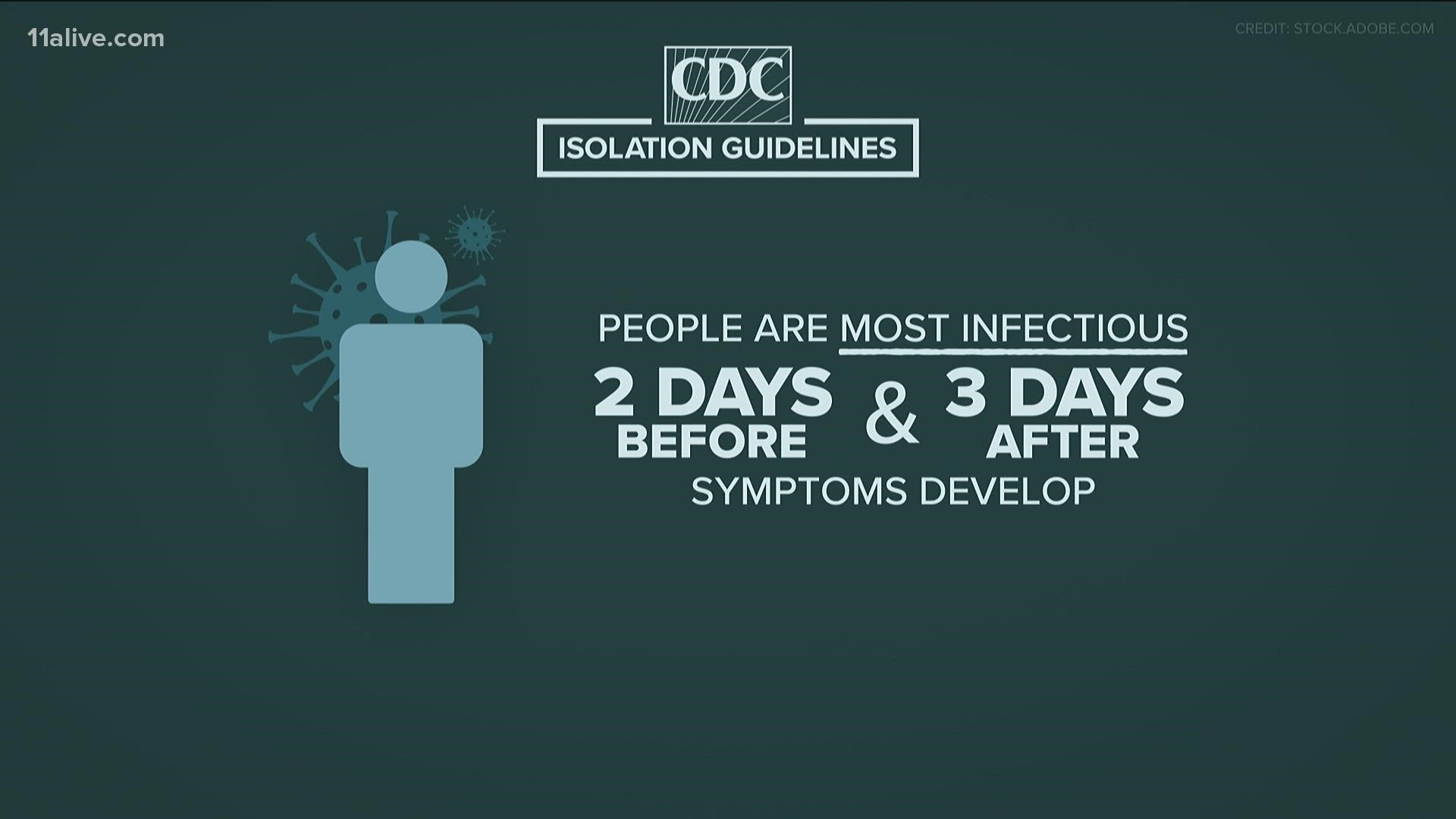
Airlines industry group asked the CDC to reduce its 10-day recommended quarantine for breakthrough Covid cases. If symptoms appear within the quarantine window isolate immediately and contact a healthcare provider the CDCs guidance states. The CDC says isolating is a necessary step whether youre vaccinated or unvaccinated and whether you have symptoms or feel fine.
Close contact is defined as being within 6 feet of someone for 15. Additionally CDC is releasing an update to guidance for contingency and crisis management in the setting of significant health care worker shortages. Most fully vaccinated people with no COVID-like symptoms do not need to quarantine or be restricted from work following an exposure to someone with suspected or confirmed COVID-19 if they follow the testing and masking recommendation above.
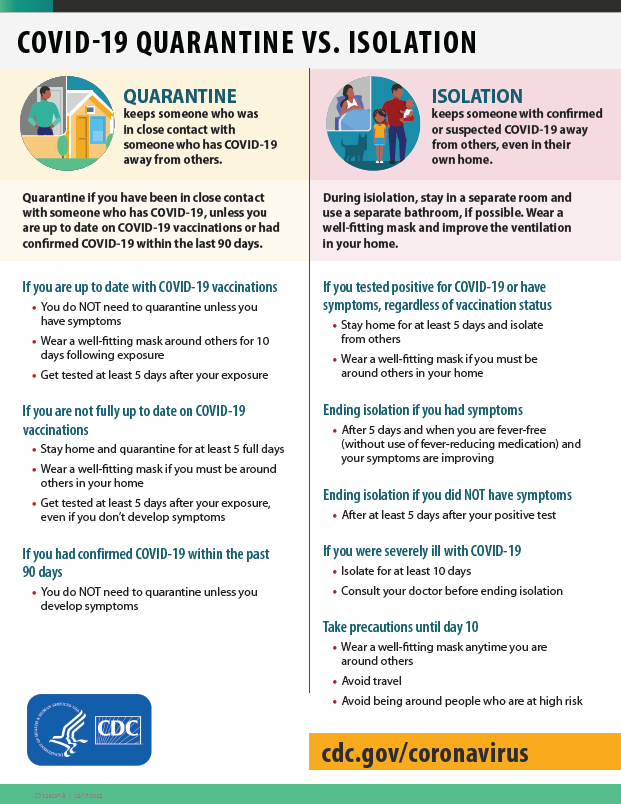
Your quarantine ISOLATION keeps someone who is sick or tested positive for COVID-19 without symptoms away from others even in their own home. For purposes of entry into the United States vaccines accepted will include FDA approved or authorized and WHO Emergency Use Listing vaccines. If you are sick and think or know you have COVID-19 Stay home until after At least 10 days since.
Those who are fully vaccinated do not need to quarantine according to the CDC but they should get tested anywhere from five to seven days following their exposure regardless of symptoms. For those who are unvaccinated. Key Points A major US.
The CDC has changed quarantine guidelines to reduce the economic impact on people who cannot work while isolating to prevent disease spread. Airlines for America which represents Southwest American. But depending on local circumstances and resources new CDC guidelines suggest that 10 days may be sufficient with the possibility to test out of a longer quarantine if all three of these conditions are met.
Updated CDC Guidance on Quarantine Length for Exposed Individuals - July 2021 Thursday July 29 2021 On July 27 2021 the Centers for Disease Control and Prevention CDC updated its guidance.
Pvavbyx8hyktgm
Wxk2p2z 7zflym
Rf69tungielynm
/cloudfront-us-east-1.images.arcpublishing.com/gray/M7PSV3GH4ZHZJPMVLXTWIMANV4.JPG)
Vxaapadiuyp37m
/do0bihdskp9dy.cloudfront.net/12-29-2021/t_3aa2ce3db3bb4a3d93a086ecc809edec_name_file_1280x720_2000_v3_1_.jpg)
Cg6h7ik0tilatm
Covid 19 Quarantine And Isolation Cdc
Y0bymbm2aiplbm
Lna2vegjkl7zom

Sumqk5yy65mlcm
YOU MAY LIKE :

